
When COVID came to campus in March 2020, it did not just disrupt learning–it took away the ability to properly manage traditionally paper-based processes was taken away.
The only solution was to automate—and most schools are discovering they are better off because of it. Replacing old paper trails with codified digital workflows complete with e-signatures not only better protects the data on those forms but better ensures the validity of the transactions themselves.
Join an eCampus News panel of experts to discuss building efficiencies and data security and compliance. Hear how replacing the back-office paper chase with online solutions improves the user experience for everyone. Learn methods to capture signatures for important documents like transcripts, course changes, and vendor contracts while staying compliant and also saving time and money.

- Weak tech could push students, faculty to other institutions - April 13, 2026
- 13 predictions about edtech, innovation, and–yes–AI in 2026 - January 1, 2026
- 5 essential dimensions of AI literacy - December 12, 2025
More from eCampus News

McGraw Hill Transitions from Traditional Textbook Edition Publishing Cycle with New Evergreen™ Delivery Model
COLUMBUS, Ohio (GLOBE NEWSWIRE) — McGraw Hill announced the launch of an industry-first delivery model that releases digital product updates directly to existing courses already built by instructors, replacing the…

Stop calling every misuse of AI plagiarism
AI-generated content is not automatically plagiarism. That statement may unsettle faculty members and academic-integrity officers. It may sound like a defense of students who use ChatGPT to write papers or complete assignments intended to demonstrate mastery.
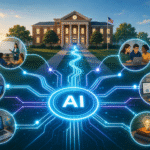
Schools are building AI rules before they know the destination
America’s schools are moving quickly to respond to the rise of artificial intelligence, with parents, teachers, administrators, and lawmakers working to wrap their arms around what this means for student education.

Cohort connections matter: Strategies to help graduate students persist and succeed
Graduate education is demanding and isolating, especially for adult learners balancing coursework, research, employment, and family responsibilities. National data show half of doctoral students leave their programs before earning their degree.

Higher education needs better AI experiences, not more AI tools
Artificial intelligence is becoming increasingly embedded across higher education. As AI policies continue to evolve, faculty are gaining greater clarity and opportunity to responsibly use new tools, including AI-powered assistants, content generation tools, chatbots, and a growing number of AI-enabled applications.

Beyond a keynote speaker: A strategic roadmap for AI in higher education
The atmosphere inside the Global Connect/American Accounting Association conference at Caesar’s Palace in August 2026 was a study in contrasts. Outside, the Las Vegas sun was punishing, an environment so relentless that I joked that the swag bags should have swapped out sunblock for flame retardant.