
The Internet of Things
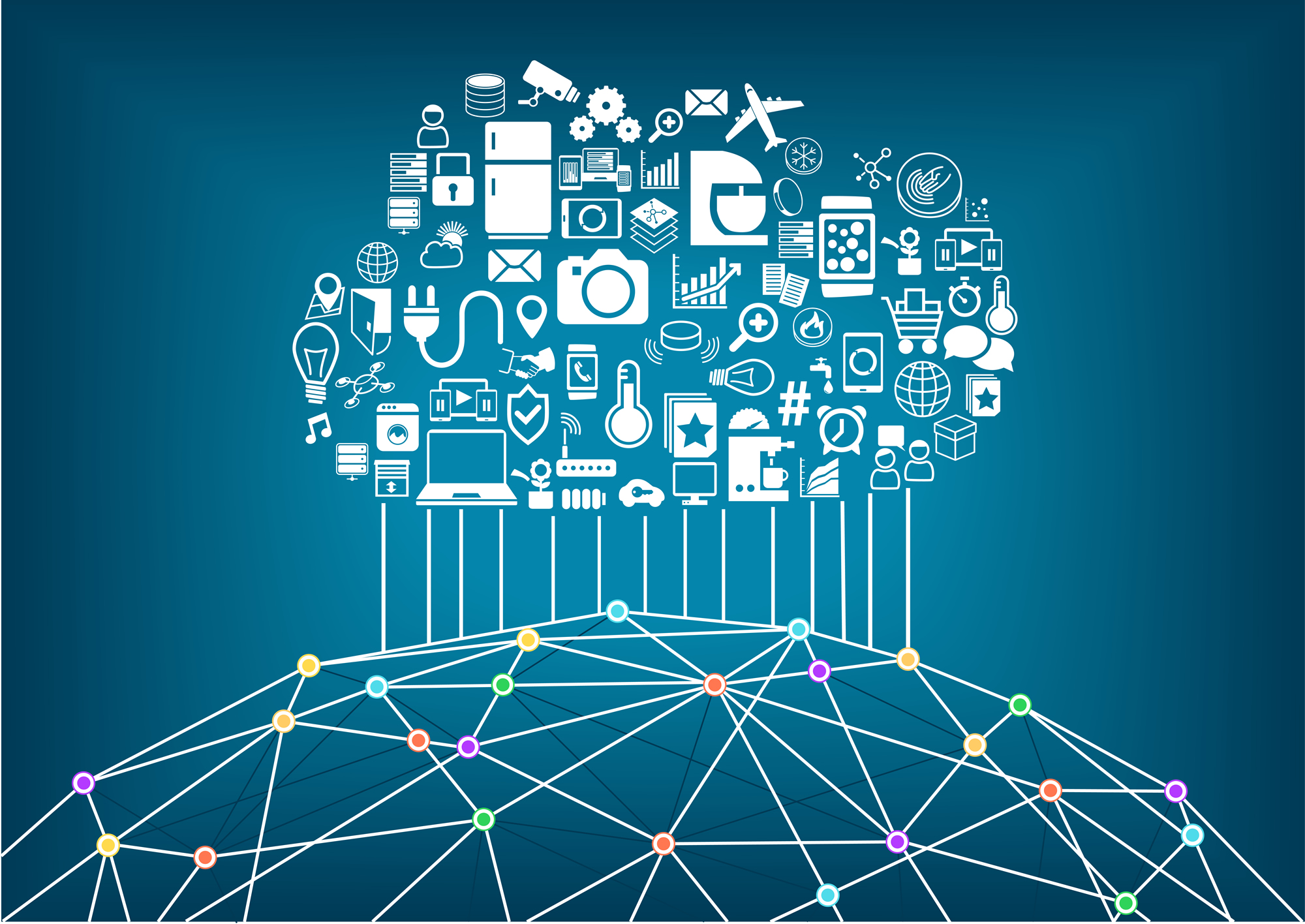
The Internet of Things has opened up a whole new world of possibilities in higher education. The increased connectivity between devices and “everyday things” means better data tracking and analytics, and improved communication between student, professor, and institution, often without ever saying a word. IoT is making it easier for students to learn when, how, and where they want, while providing professors support to create a more flexible and connected learning environment.
With the help of IoT technologies, predictive analytics can provide additional insight into how students are doing both in the classroom and on campus. With the right infrastructure in place, universities will be able to respond to early indicators of an “at-risk” student at the critical moment before that student’s performance begins to suffer.
The potential that IoT offers Higher Ed is seemingly only restricted by the creativity of those implementing it.
Virtual/Augmented Reality
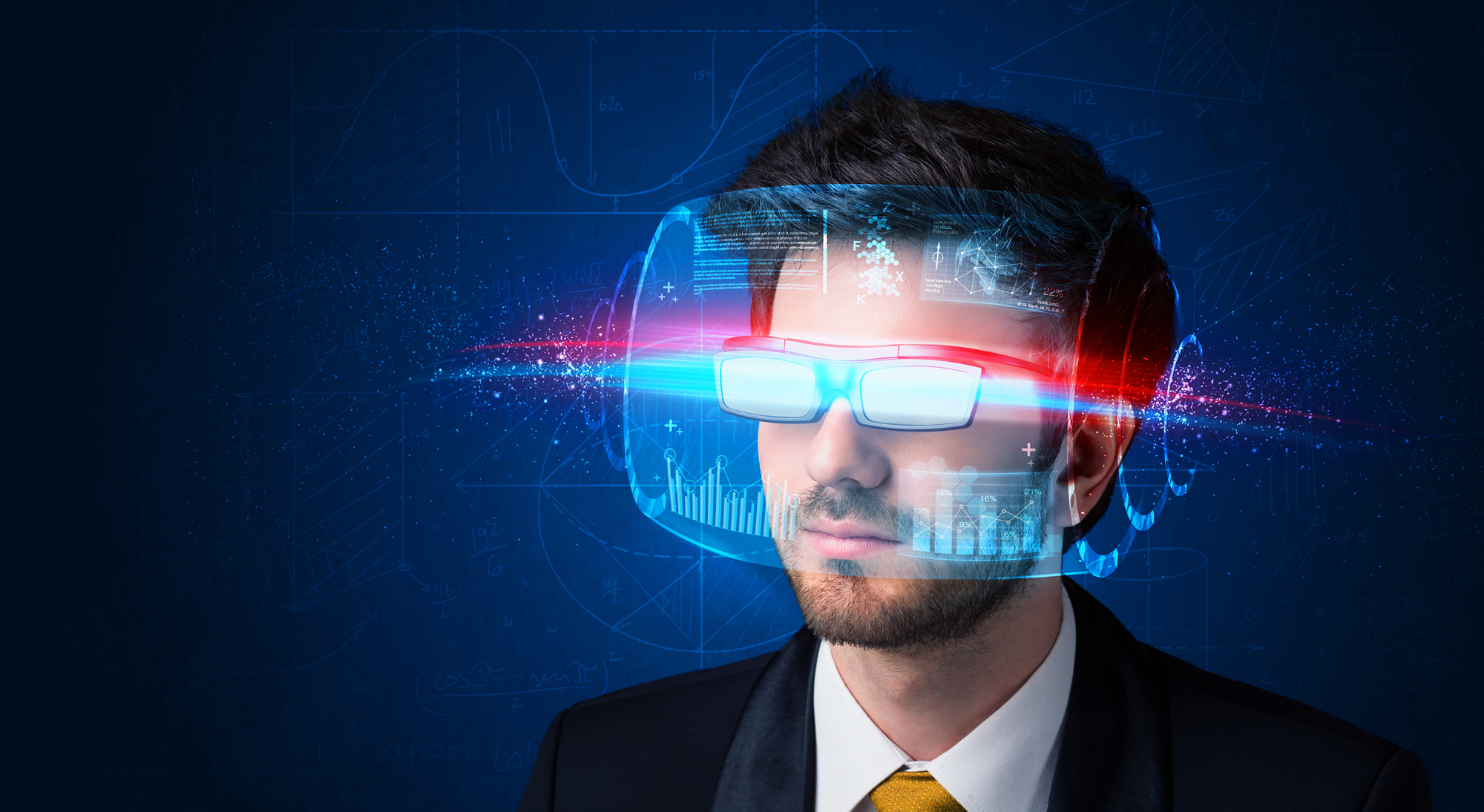
Virtual and augmented reality technologies have begun to take Higher Ed into the realm of what used to be considered science fiction. With access to augmented reality, students can immerse themselves in real-life learning situations that are either too dangerous or not possible to experience otherwise. For example, medical students are now able to perform complex procedures in virtual reality without putting themselves or their virtual patient at risk. History students can now take virtual tours of the ancient cities that they are studying.
These reality-warping technologies are not just useful pedagogical tools, however. More often than not, they require significant planning and investment into the infrastructure needed to support them. As these technologies become more efficient and less expensive, we could see augmented experiences become an expected (if not required) facet of higher education.
Artificial Intelligence
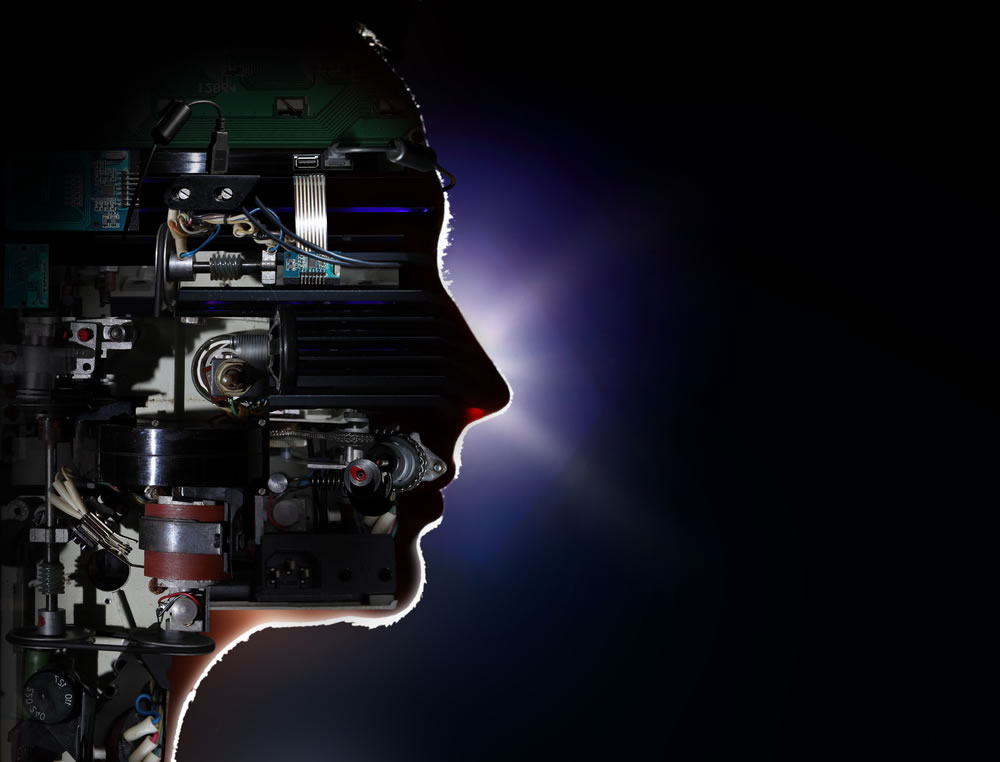
While artificial intelligence may not currently be taking Higher Ed by storm, its potential for disruption is evident in its rise in mainstream popularity. IBM’s Watson captivated Jeopardy! audiences when it was able to compete against human contestants. Intelligent personal assistants like Siri and Cortana show how useful A.I. can be in day-to-day activities. Imagine having an A.I. professor’s assistant or an online learning platform that adapts to each student’s specific needs. Having artificial intelligence that learns and improves as it aids in the learning process could have a far-reaching effect on higher education both online and in-person.
While Higher Ed may not be as prone to disruption as other industries, there are certain technologies that have undeniably disrupted how students learn, professors teach, and how universities operate. Despite the fact that these disruptions often represent significant challenges for universities to keep up with, they are ultimately beneficial for higher education as a whole.
[Editor’s note: This story was originally published on Optimal Partners Blog.]

Leigh M. and Thomas Goldrick are writers and editor for Optimal Partners Blog.
- The false choice between citizenship and a first job - September 7, 2026
- Can high-tech scale high-touch? - September 4, 2026
- Your institution’s AI strategy needs instructional designers - September 2, 2026