
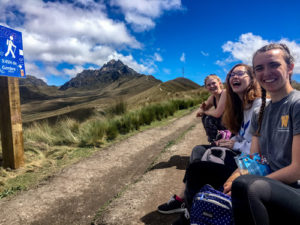
Managing an ever-increasing number of faculty-led study abroad programs requires a well-coordinated and established strategy to ensure that the process is timely, accurate, and efficient. From coordinating each program and facilitating the student application and onboarding process to managing and tracking travel itineraries and handling associated administrative procedures, there is a long list of action items.
At Western Michigan University, we offer more than 40 faculty-led study abroad programs and send more than 600 students abroad to over 30 countries each year. As our programs have grown tremendously over the past few years—both in the amount of program options and volume of student participation—we were outgrowing our simpler procedures and needed a way to efficiently standardize the full study-abroad lifecycle to meet increasing demands while facing decreases in funding.
The search for a new software solution
Our next logical move was to evaluate the technology we were using to determine if it could be used to do more. We were using Terra Dotta Study Abroad to handle processes involved only in study abroad student applications and faculty travel registration. While this captured information necessary for risk management, we decided to examine how the other, less-used features could facilitate our other administrative processes that were largely handled through email. For an expanded system, we needed a clear vision connecting all processes and workflows into one comprehensive dashboard.
Related: 7 ways studying abroad helps students land sought-after jobs
We began by engaging all internal stakeholders who are part of our university-wide study abroad environment to ensure their willingness to participate in a transformative improvement initiative. This group included professionals in the study abroad office, cross-departmental faculty, marketing, human resources, budget analysts, and relevant institutional leadership members. It was critical to communicate our goal of helping them improve their ability to perform their job responsibilities and to clarify that we weren’t asking them to do anything materially different. We received a resounding amount of support from these team members, which laid the groundwork for a successful launch point.

Sarah Reid is a study abroad specialist at Western Michigan University.
- Cohort connections matter: Strategies to help graduate students persist and succeed - August 14, 2026
- Higher education needs better AI experiences, not more AI tools - August 12, 2026
- Beyond a keynote speaker: A strategic roadmap for AI in higher education - August 10, 2026