
COVID closed campuses and also gave a boost to cyberthreats to IT networks. As data security breaches–including ransomware attacks, phishing, and unauthorized disclosures–show no sign of slowing, higher-ed IT leaders need to be ready.
IT teams understand how important cybersecurity measures are, but many struggle to pinpoint where to begin when their resources are limited.
Threats to higher education networks will never be eliminated, but there are strategies to successfully defend campus information infrastructure. Want to learn more? Join a conversation with fellow ed tech leaders and experts as they share best practices on both the technical aspects–software and services–and the human aspects–professional development and community education–of keeping your networks safe and sound.

- Weak tech could push students, faculty to other institutions - April 13, 2026
- 13 predictions about edtech, innovation, and–yes–AI in 2026 - January 1, 2026
- 5 essential dimensions of AI literacy - December 12, 2025
More from eCampus News
McGraw Hill Transitions from Traditional Textbook Edition Publishing Cycle with New Evergreen™ Delivery Model
COLUMBUS, Ohio (GLOBE NEWSWIRE) — McGraw Hill announced the launch of an industry-first delivery model that releases digital product updates directly to existing courses already built by instructors, replacing the…

What “friction maxxing” teaches us about IT skill development in the age of AI
As AI adoption accelerates, a countertrend has emerged that reinforces the old saying: What goes around comes around. After spending years looking for ways to remove friction from everyday life, a growing number of people are embracing it by choosing to perform certain tasks without the assistance of AI and other forms of automation.

Building AI that teaches: Scaling learning systems
I’ve spent nine years building learning infrastructure, and during that time I’ve gone from staff engineer to founding member of our first AI engineering team. Along the way, I’ve come to believe that educational AI is a fundamentally different engineering discipline than the consumer AI most people read about.

Most states struggle to bring adult learners back to college
Most states still rely on fragmented, short-term initiatives to support adult learners rather than coordinated statewide strategies, according to new research from ReUp Education.

How should we evaluate professorial work?
College faculty are all aware of the three pillars of professorial work: instruction, scholarship, and service. Faculty are generally assessed on peer review publications, academic presentations, grants authored, and service on university and professional committees.
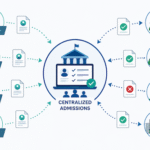
The case for centralized admissions in graduate medical education
Centralized application services transformed how students apply to medical school. They gave applicants a single point of entry, standardized how programs receive and review data, and provided comparable information institutions could actually use.