
Cyberthreats skyrocketed when COVID closed campuses and forced faculty, students, and staff to access important–and often sensitive–learning materials online from home computers and home networks. And with many institutions reverting to hybrid or online learning as COVID variants peak, cybersecurity threats are far from over.
As data security breaches–including ransomware attacks, phishing, and unauthorized disclosures–show no sign of slowing, higher-ed IT leaders need to be ready. Threats to higher education networks will never be eliminated, but there are strategies to successfully defend campus information infrastructure.
IT teams understand how important cybersecurity measures are, but many struggle to pinpoint where to begin when their resources are limited.
Want to learn more? Join a conversion with fellow edtech leaders and experts as they share best practices on both the technical aspects–software and services–and the human aspects–professional development and community education–of keeping your networks safe and sound.

- 13 predictions about edtech, innovation, and–yes–AI in 2026 - January 1, 2026
- 5 essential dimensions of AI literacy - December 12, 2025
- 10 reasons your campus needs to upgrade to Windows 11 - November 11, 2025
More from eCampus News

McGraw Hill Transitions from Traditional Textbook Edition Publishing Cycle with New Evergreen™ Delivery Model
COLUMBUS, Ohio (GLOBE NEWSWIRE) — McGraw Hill announced the launch of an industry-first delivery model that releases digital product updates directly to existing courses already built by instructors, replacing the…

The Visual Edge: How High-Impact Technology Redefines Campus Differentiation and Enrollment Strategy
In the current higher education landscape, waning enrollment is still a present challenge. While overall enrollment numbers are showing signs of a rebound, National Student Clearinghouse Research Center data indicates that undergraduate enrollment has yet to fully return to pre-pandemic levels.

Changing how two-year colleges prepare students for the world of work
The primary goal of two-year colleges is to provide students with accessible and affordable education and training that prepares them for in-demand jobs and supports local industry.

How community colleges can embed real-world projects into workforce training
A transformative three-year initiative will embed virtual, project-based work-based learning (WBL) into short-term workforce training programs at 20 community colleges nationwide.

Identifying and overcoming your career-inhibiting fears
In higher education leadership, the importance of being attuned to vision, strategy, and institutional growth understandably occupies much of our attention. We discuss the external landscape–enrollment trends, fiscal responsibility, and the evolving needs of our students.
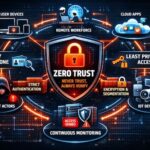
Rethinking campus security: Why higher education must embrace zero trust now
In today’s digital-first higher education environment, the traditional notion of “safe inside the firewall” no longer holds true. Institutions are more connected, more distributed, and more vulnerable than ever before.