
Cyberthreats skyrocketed when COVID closed campuses and forced faculty, students, and staff to access important–and often sensitive–learning materials online from home computers and home networks. And with many institutions reverting to hybrid or online learning as COVID variants peak, cybersecurity threats are far from over.
As data security breaches–including ransomware attacks, phishing, and unauthorized disclosures–show no sign of slowing, higher-ed IT leaders need to be ready. Threats to higher education networks will never be eliminated, but there are strategies to successfully defend campus information infrastructure.
IT teams understand how important cybersecurity measures are, but many struggle to pinpoint where to begin when their resources are limited.
Want to learn more? Join a conversion with fellow edtech leaders and experts as they share best practices on both the technical aspects–software and services–and the human aspects–professional development and community education–of keeping your networks safe and sound.

- Weak tech could push students, faculty to other institutions - April 13, 2026
- 13 predictions about edtech, innovation, and–yes–AI in 2026 - January 1, 2026
- 5 essential dimensions of AI literacy - December 12, 2025
More from eCampus News

McGraw Hill Transitions from Traditional Textbook Edition Publishing Cycle with New Evergreen™ Delivery Model
COLUMBUS, Ohio (GLOBE NEWSWIRE) — McGraw Hill announced the launch of an industry-first delivery model that releases digital product updates directly to existing courses already built by instructors, replacing the…

Belonging by design: Practical ways to support adult learners in hybrid and asynchronous courses
For many adult learners, logging into a hybrid or asynchronous course is not the beginning of their day. It may come after a full shift at work, after helping children with homework, after managing caregiving responsibilities, or after years away from formal schooling.
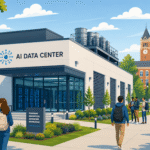
Data centers, AI, and the next big campus debate
Higher education has spent the last two years debating whether students should be allowed to use artificial intelligence. That debate now looks almost quaint. The more urgent question is whether colleges and universities will help build the physical infrastructure that makes AI possible.

Stop defending and start showing: How colleges can win back trust by looking past the campus walls
If you work in higher education, you already know about the audience problem. Donors. Alumni. Prospective students. Current students. Faculty, staff, elected officials, local employers, community members, journalists, and more.

Why the old enrollment playbook no longer works
Key points: The demographic cliff higher education has been warned about for years isn’t coming; it’s already here. The post-2008 birthrate drop is now hitting institutions directly, arriving alongside affordability…

Invisible translators: What funky techs do for higher ed
You don’t see ‘funky tech’ in scholarly literature. But if you’ve spent time at higher-ed tech conferences, you’ve heard it. Someone introduces themselves during a networking break: “I’m a funky tech over in Academic Advising.”