
COVID upended traditional higher education–and while the abrupt migration to remote and hybrid learning was disruptive, there is a silver lining.
Our post-pandemic reality has inspired college and university leaders to not only reinvent teaching methods in lecture halls and labs, but also digitize processes in the central office. In other words—finally making the paper chase a thing of the past.
Join an eCampus News panel of experts in the first of two online conversations to discuss building efficiencies in education. You’ll learn how automating your district’s various workflows–from staff onboarding and 1:1 device management to digitized e-signature consent forms–can improve the user experience for administrators, educators, parents, and students alike, while also saving time and money.

- Weak tech could push students, faculty to other institutions - April 13, 2026
- 13 predictions about edtech, innovation, and–yes–AI in 2026 - January 1, 2026
- 5 essential dimensions of AI literacy - December 12, 2025
More from eCampus News
McGraw Hill Transitions from Traditional Textbook Edition Publishing Cycle with New Evergreen™ Delivery Model
COLUMBUS, Ohio (GLOBE NEWSWIRE) — McGraw Hill announced the launch of an industry-first delivery model that releases digital product updates directly to existing courses already built by instructors, replacing the…

The data retention challenge for online exam platforms
The shift from exam halls to online assessment platforms has quietly created a significant data management challenge.
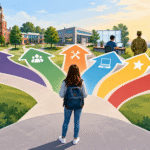
College was the default answer, but the data says it’s time to ask better questions
Over more than 25 years working in education and edtech, I’ve heard countless questions and concerns about education and career decisions. I’ve also watched the options available to students and workers change considerably.

The most advantaged students attend the best-funded colleges. Does it have to be this way?
The prevailing philosophy of American higher education is simple enough: The best-funded universities ought to be reserved for the best-qualified students, who are largely from advantaged backgrounds.

Expect the unexpected: Lessons learned from conducting online survey research
Online surveys have become one of the most widely used tools in educational and social science research because they provide access to geographically dispersed populations, reduce data collection costs, and allow researchers to gather substantial amounts of information quickly.

Here’s what happens when colleges make the SAT optional
Debating the value of the SAT is something of an American pastime. The latest kerfuffle is happening at the University of California, a massive system that no longer considers test scores in college admissions after critics raised concerns that tests limit opportunities for disadvantaged students.